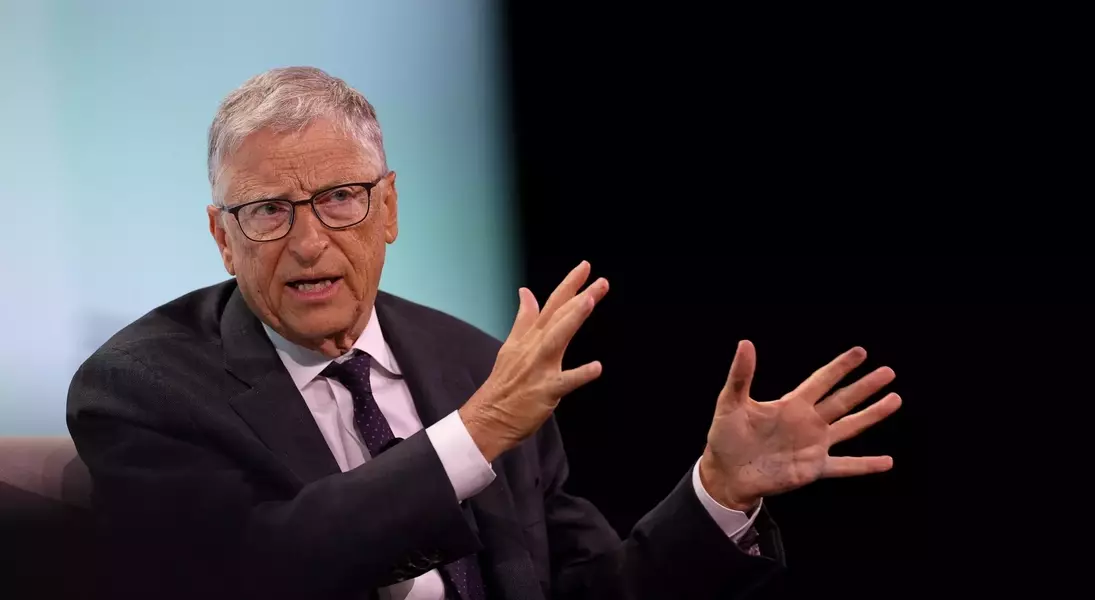
Once an ardent proponent of artificial intelligence, Microsoft co-founder Bill Gates has experienced a significant shift in perspective, now expressing profound concern regarding AI's impending societal impact. He fears the technology could become a major catalyst for injustice, urging immediate global action to mitigate potential widespread disruption.
Details of Gates' AI Concerns and Proposed Solutions
On August 26, 2026, Bill Gates, known for his philanthropic endeavors and technological foresight, broke his recent silence on artificial intelligence by publishing a nearly 6,000-word essay titled 'The turbulent AI era is here. The choices we make now are critical.' In this pivotal piece, he critically assesses humanity's current lack of preparedness for the transformative power of AI, emphasizing that the world is woefully unequipped and is not taking necessary steps to address the coming changes. While his previous writings, such as his 2023 essay 'The age of AI has begun,' conveyed optimistic excitement, this latest publication marks a notable departure, though he maintains that it is not too late to ensure beneficial outcomes outweigh potential harms.
Gates underscores several key takeaways from his comprehensive analysis. He posits that the transition into the AI era will be one of the most tumultuous periods in human history, asserting that AI will either serve as an unparalleled equalizer or a devastating source of inequality. He criticizes the underestimation of AI's scale and speed, dismissing comparisons to past technological advancements like personal computers as misleading. 'This time really is different,' he states, even suggesting that he would support a credible global initiative to slow down AI's progress.
A major focus of Gates' essay is the profound impact of AI on employment. He foresees widespread and potentially permanent job displacement across both white-collar and blue-collar sectors, predicting significant social unrest. To counteract this, he proposes concrete policy measures: implementing taxes on AI tokens and robots to disincentivize companies from replacing human labor, thereby bolstering social safety nets. He also advocates for the establishment of 'Human Reserved' domains, dedicating specific job categories exclusively to human workers. Gates stresses the urgency for political leaders to act decisively before rising unemployment and eroding public trust destabilize communities.
Furthermore, Gates highlights the inadequacy of existing institutions in managing the multifaceted challenges presented by AI. Given AI's pervasive influence across taxation, labor, healthcare, national security, and education, traditional governmental structures are ill-equipped to grasp the full scope of its implications. He calls for the creation of dedicated national bodies capable of coordinating priorities across various government agencies to ensure all risks are addressed. Internationally, Gates advocates for a novel global organization to manage cross-border AI risks, drawing inspiration from existing agreements on nuclear energy, aviation, and ozone layer protection. He acknowledges the necessity of US-China cooperation for such a framework, despite not detailing the mechanisms for achieving this, and emphasizes the critical need for immediate action, stating, 'We do not have the luxury of moving slowly.'
Gates' re-engagement with the public discourse on AI marks a significant moment, especially given his past associations. He is now committed to leveraging his influence to elevate AI and equity on the public agenda, intending to discuss these issues with lawmakers and world leaders. He also hints at future proposals for maximizing AI's benefits while minimizing its harms, and plans to share how the Gates Foundation is integrating AI into its initiatives.
Bill Gates' renewed and more cautionary stance on AI serves as a powerful call to action for governments, industries, and individuals alike. His shift from an AI optimist to a concerned observer reflects a growing recognition of the complex ethical, economic, and social challenges that artificial intelligence presents. His proposals for taxation, job reservation, and international governance, while ambitious, highlight the urgent need for a comprehensive and collaborative approach to navigate this unprecedented technological era. The profound implications of AI for employment, social equity, and global stability necessitate serious consideration and proactive strategies to shape a future where AI serves humanity's best interests.